Why Hunting Is Critical for Wildlife Conservation in America
May 14, 2026
By MTN OPS TEAM
Why Hunting Is Critical for Wildlife Conservation in America
At first glance, the idea sounds contradictory, almost offensive to some. How could killing animals possibly help save them? It feels like a moral paradox. Protecting wildlife by hunting seems backwards to many people. Yet, for more than a century, regulated hunting has played one of the most significant roles in wildlife conservation across North America.
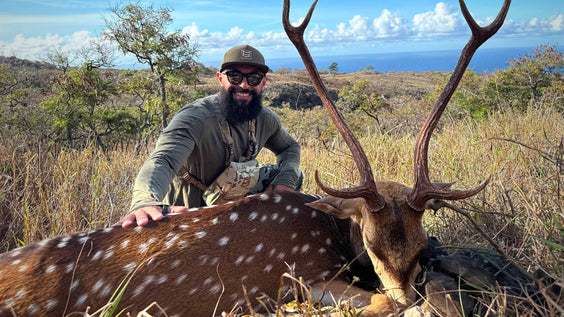
This is not just a theory to me. It is my life!
A Lifetime in the Field
For more than 20 years, I have been involved in hunting. It is not something I picked up casually. It is something that shaped who I am.
The food that comes from hunting has sustained me throughout my life. Meals on my table did not only come from a grocery store, they came from time spent outdoors, learning patience, responsibility, and respect for the animals that provide for me and my family.
Hunting did not just provide food. It taught me discipline, humility, and awareness. It taught me how to read the land, read and understand the animals themselves, understand seasons, and recognize the balance required for wildlife to thrive. Those lessons did not stay in the woods. They shaped how I approach responsibility, hard work, and stewardship in my everyday life.
More importantly, hunting gave me a sense of responsibility, not just to harvest animals, but to protect them, and I am so grateful.
Giving Back to Wildlife
Over the years, I have come to understand that being a hunter means giving back more than you take.
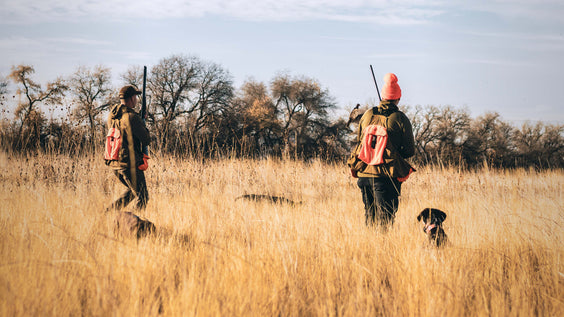
I have guided more than 100 youth hunters, helping educate them not only on how to hunt safely and ethically, but how to respect wildlife and understand their role in conservation. Teaching young hunters is not just about skills. It is about building responsibility and ensuring that the next generation understands the importance of stewardship as well.
I have also been directly involved in habitat restoration work. Over time, I have helped plant more than 5000 plants in both lowland and mountain habitats. That work benefits far more than just game animals. It helps birds, pollinators, and countless other species that depend on healthy ecosystems to survive.
Beyond the physical labor, I have donated my own money and volunteered my time to conservation efforts. I have helped organize banquets and fundraising events to raise the necessary funds to purchase plants, restore habitat, and support wildlife education programs.
None of this happens by accident. It happens because hunters care enough to act.
The Pittman Robertson Act and the Foundation of Modern Conservation
If there is one historical example that proves hunters are conservationists, it is the Pittman Robertson Act of 1937.
This law was passed at a time when wildlife populations were in steep decline across the United States. Many species were struggling because of habitat loss and unregulated harvest. The Pittman Robertson Act created a system that required hunters and shooters to contribute directly to conservation through an excise tax on firearms, ammunition, and archery equipment.
That system still exists today, and it has become one of the most successful conservation funding models in the world.
Since 1937, the Pittman Robertson Act has generated more than 29 billion dollars for wildlife conservation across the United States. Those funds have been used to restore wildlife populations, protect habitat, conduct research, and educate hunters and conservationists.
Even today, the impact continues to grow. In recent years alone, more than 1.2 billion dollars has been distributed annually to states to support wildlife conservation and habitat restoration projects.
This funding model is unique because it does not rely solely on general tax revenue. Instead, it ties conservation funding directly to those who participate in outdoor traditions. Every purchase of ammunition, firearms, and archery equipment contributes directly to protecting wildlife and maintaining healthy ecosystems.
Land Protected and Habitat Restored
The financial impact of hunter driven conservation has translated into massive land protection and habitat restoration across the country.
Programs supported by hunting related revenue have helped open more than 36 million acres of land for wildlife habitat, conservation, and public access. These lands include forests, wetlands, grasslands, and mountain habitats that support countless species.
These areas benefit far more than game animals. Songbirds, pollinators, predators, and non-hunted species all rely on the same landscapes that hunters help fund and protect.
Many of the lands people hike, camp, birdwatch, and explore today exist because of conservation funding tied directly to hunting participation.
The Funding Behind Conservation
One of the most overlooked facts about wildlife conservation is where the money actually comes from. In the United States, hunters provide a massive share of conservation funding through licenses, permits, and equipment taxes.
Every time a hunter buys gear or applies for a hunting tag, a portion of that money supports wildlife agencies and conservation programs. These funds help maintain wildlife populations, restore habitats, manage public lands, and support research conducted by wildlife biologists.
In many states, wildlife agencies depend heavily on hunter generated revenue to operate. Without those funds, many conservation projects simply would not exist.
Hunters do not just harvest wildlife, they financially sustain it.
The Role of Regulated Hunting
Nature does not always balance itself in modern landscapes shaped by human development. With fewer natural predators in many regions, some wildlife populations can grow beyond what the land can support.
When populations exceed available habitat, animals suffer. Disease spreads more easily. Starvation becomes more common. Habitat damage harms not only one species, but many.
Regulated hunting helps wildlife managers maintain sustainable population levels. Seasons, quotas, and harvest limits are designed using biological data. Wildlife agencies monitor herd health, reproduction rates, and habitat conditions before determining how many animals can be harvested.
Done properly, hunting becomes a tool of management, not destruction.
Why Critics Struggle With the Idea
Many critics of hunting struggle with the emotional reality of seeing an animal killed. That reaction is understandable. Most people feel empathy toward animals, and discomfort with death is a natural response.
However, conservation decisions often require looking beyond individual animals to the health of entire populations and ecosystems.
The difficult truth is that removing hunting does not automatically mean animals will thrive. In many places, eliminating hunting would reduce funding for wildlife agencies and conservation programs. Less funding would mean fewer habitat projects, less monitoring, and weaker protections for wildlife.
Critics often see the moment of the hunt. Conservationists see the decades of work that support wildlife survival.
Hunters as Conservationists
The image of hunters as conservationists sometimes surprises people unfamiliar with hunting culture. Yet historically, many of the strongest advocates for wildlife protection have been hunters themselves.
Hunters helped push for regulated seasons when wildlife populations were declining in the early twentieth century. They supported laws designed to prevent overharvest and protect future generations of wildlife.
Many species that are abundant today owe their recovery to conservation models supported by hunters and hunting participation.
This relationship between hunting and conservation is not accidental. Hunters depend on healthy wildlife populations. Without healthy wildlife, hunting itself cannot continue.
That dependence creates a cycle of stewardship. Protect the resource or lose it.
Connecting National Impact to Personal Action
When I plant habitat, guide youth hunters, or help organize conservation fundraisers, I know I am part of something much bigger than myself.
The work I have done, planting more than 5000 plants, guiding more than 100 youth hunters, and contributing both time and money to conservation, fits into a nationwide effort that has protected millions of acres and generated billions of dollars for wildlife.
The habitat I help plant becomes part of the same system funded through conservation laws and hunter participation. The youth I mentor become part of the next generation responsible for carrying that work forward.
This connection between individual effort and national conservation success is something many people never see.
The Ethical Responsibility of the Hunter
Ethical hunting is not careless or casual. Responsible hunters emphasize respect for the animal, the land, and the laws governing wildlife management.
For me, hunting has always carried weight. Every animal harvested represents food, effort, and responsibility. It is not about taking life lightly. It is about recognizing the role humans play in the natural world and accepting the responsibility that comes with it.
This mindset transforms hunting from simple recreation into participation in conservation.
The Paradox That Sustains Wildlife
Killing animals to save them sounds harsh until the broader perspective becomes visible.
Hunting, when regulated and responsibly practiced, helps fund conservation, protect habitats, manage wildlife populations, and sustain ecosystems. It is not a perfect system, but it has proven effective in regions where wildlife populations once struggled to survive.
I have seen this reality firsthand through more than 20 years of hunting, guiding hunts, planting food for animals, and helping raise funds that support wildlife and habitat restoration.
The paradox remains uncomfortable for some, and that discomfort is worth acknowledging. But ignoring the role hunters play in conservation risks overlooking one of the most effective tools wildlife management has ever had.
In the end, conservation is not about avoiding difficult realities. It is about facing them and choosing solutions that protect wildlife not just today, but for generations to come.